What Is Commercial Shipping and Why Does It Matter for Businesses?
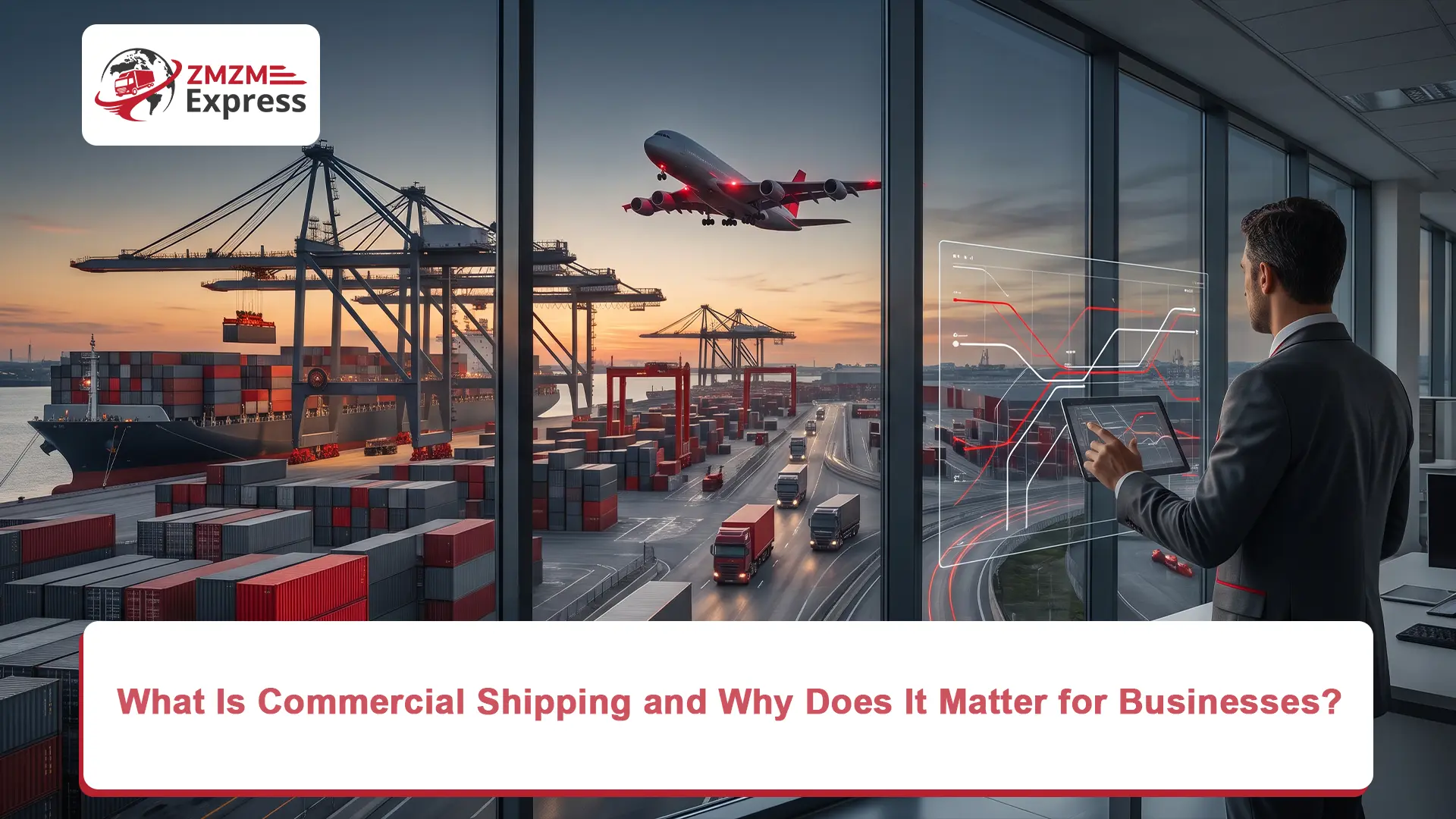
Commercial shipping is the transport of goods in business quantities from a supplier or manufacturer to a trader, importer or end customer, by road, air or sea, together with the packaging, documents, customs clearance and storage the shipment needs. It is the backbone of trade, because it connects companies with their markets and suppliers, and it determines how fast a product arrives, what it costs and what condition it is in.
Whether you run an import-export company, an online store, or a factory that depends on imported materials, understanding commercial shipping helps you make better decisions that cut costs and protect your reputation. This guide explains what it is, its types, why it matters, how the process works, and what your business needs to ship successfully.
What Is Commercial Shipping?
Commercial shipping means moving goods intended for sale, manufacturing or distribution, not personal use. It is more than getting cargo from A to B. It brings together several connected services:
- Transport by a suitable mode (road, air, sea).
- Packaging and labelling that protect the goods and make handling easier.
- Commercial and customs documentation.
- Customs clearance.
- Storage and distribution when needed.
- Shipment tracking until delivery.
Typical cargo includes raw materials, spare parts, equipment, finished products, retail goods and bulk e-commerce orders.
Are you looking for a reliable, hassle-free shipping solution?
Zmzm Express offers you the best regional and international shipping services, complete with comprehensive customs clearance to ensure your goods arrive safely and in record time.
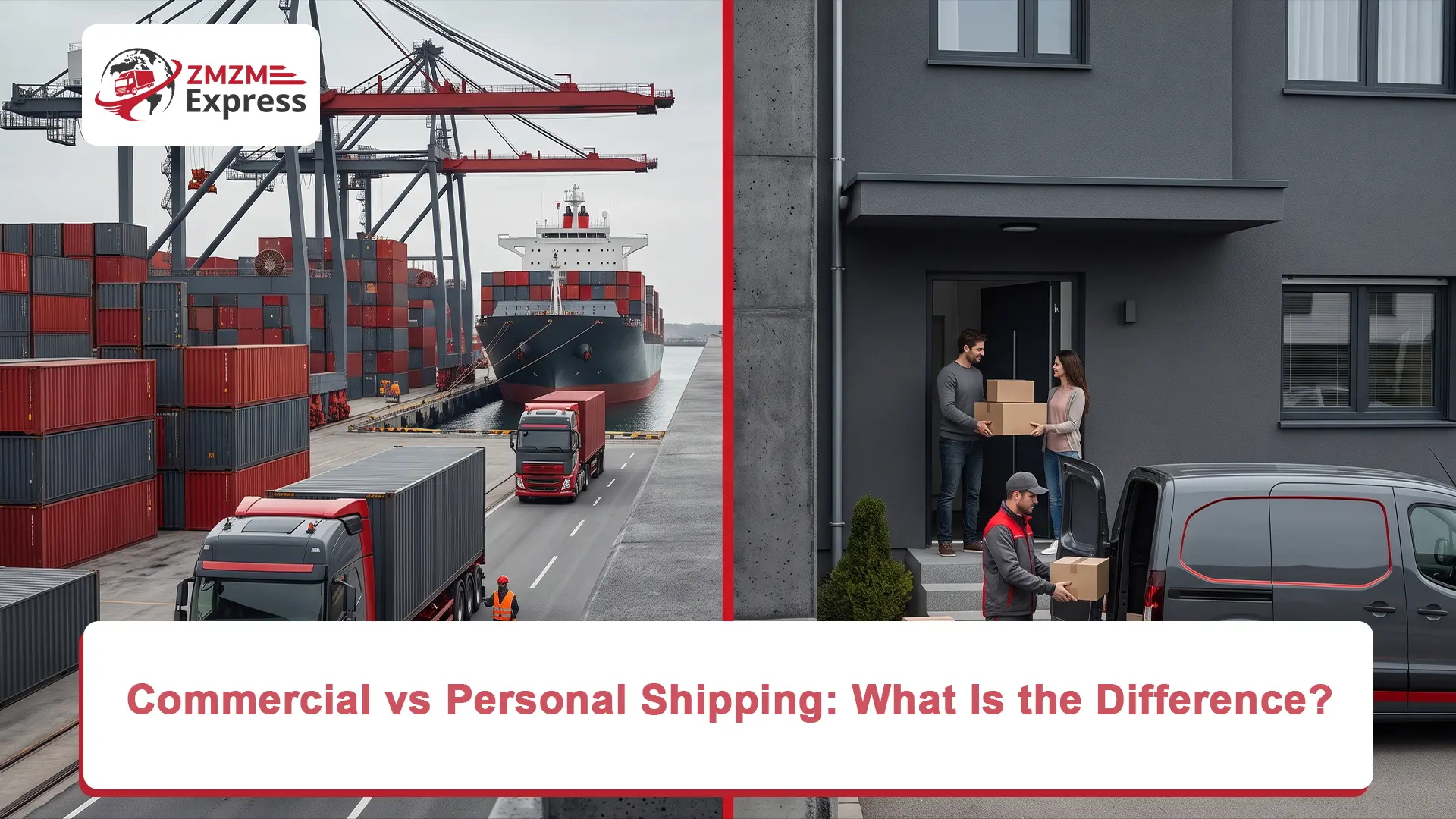
Commercial vs Personal Shipping
The core difference is the purpose and size of the shipment. Personal shipping covers luggage, household items and individual parcels, while commercial shipping covers goods used or sold in a business. This affects:
- Documents: Commercial shipments usually need a commercial invoice and a packing list, and sometimes a certificate of origin depending on the goods.
- Customs procedures: Commercial goods are subject to customs classification and duties that can differ from personal shipments.
- Pricing: Charged by actual or volumetric weight, or by pallets and containers. See our article on volumetric weight and how it is calculated.
- Responsibility: Commercial cargo generally calls for tighter planning and coverage, because its value and impact on the business are higher.
Types of Commercial Shipping
Road Freight
Road freight moves goods between countries and cities connected by road. It offers flexible loading and delivery and access to multiple locations, making it practical for large, heavy cargo and regular shipments between nearby markets. See our road freight service.
Air Freight
The fastest option, suited to high-value or time-sensitive cargo such as electronics, urgent spare parts and medical products. It costs more, but saves time and shortens the time goods spend in transit. See our air freight service.
Sea Freight
Usually the most economical choice for large volumes and heavy cargo, shipped in full or shared containers. Transit is longer than air, but the cost per unit is lower, which suits businesses that plan inventory ahead. See our sea freight service.
Refrigerated and Special Cargo
Some products, such as food and medicine, need a controlled temperature for the whole journey. Learn more in What Is Refrigerated Shipping and What Is It Used For?.
Why Commercial Shipping Matters for Businesses
Commercial shipping does more than move goods. It directly affects a company’s performance and growth:
1. Access to new markets
Efficient shipping lets you sell beyond your local market without distance being a barrier, opening the door to new customers and partners.
2. Supply chain continuity
Factories and stores rely on materials and products arriving on time. A delay can halt production or empty shelves, and well-organized shipping reduces that risk.
3. Cost control
Choosing the right mode, consolidating shipments and planning ahead all lower total cost. Understanding why shipping costs differ for the same weight helps you avoid surprises in quotations.
4. Customer satisfaction and punctuality
Orders that arrive intact and on time build trust and encourage repeat business, while delays and damage hurt the brand.
5. Stronger competitiveness
A company that reaches better suppliers at the right price and quality, and delivers faster than competitors, gains a clear market advantage.
6. Efficient inventory management
Shipping and storage are closely linked. Having storage warehouses along the shipping route helps organize stock and speed up distribution.
7. Compliance and legal protection
Correct documentation and customs classification protect you from fines and held shipments.
The Commercial Shipping Process
- Define the goods: type, weight, dimensions, value and special requirements.
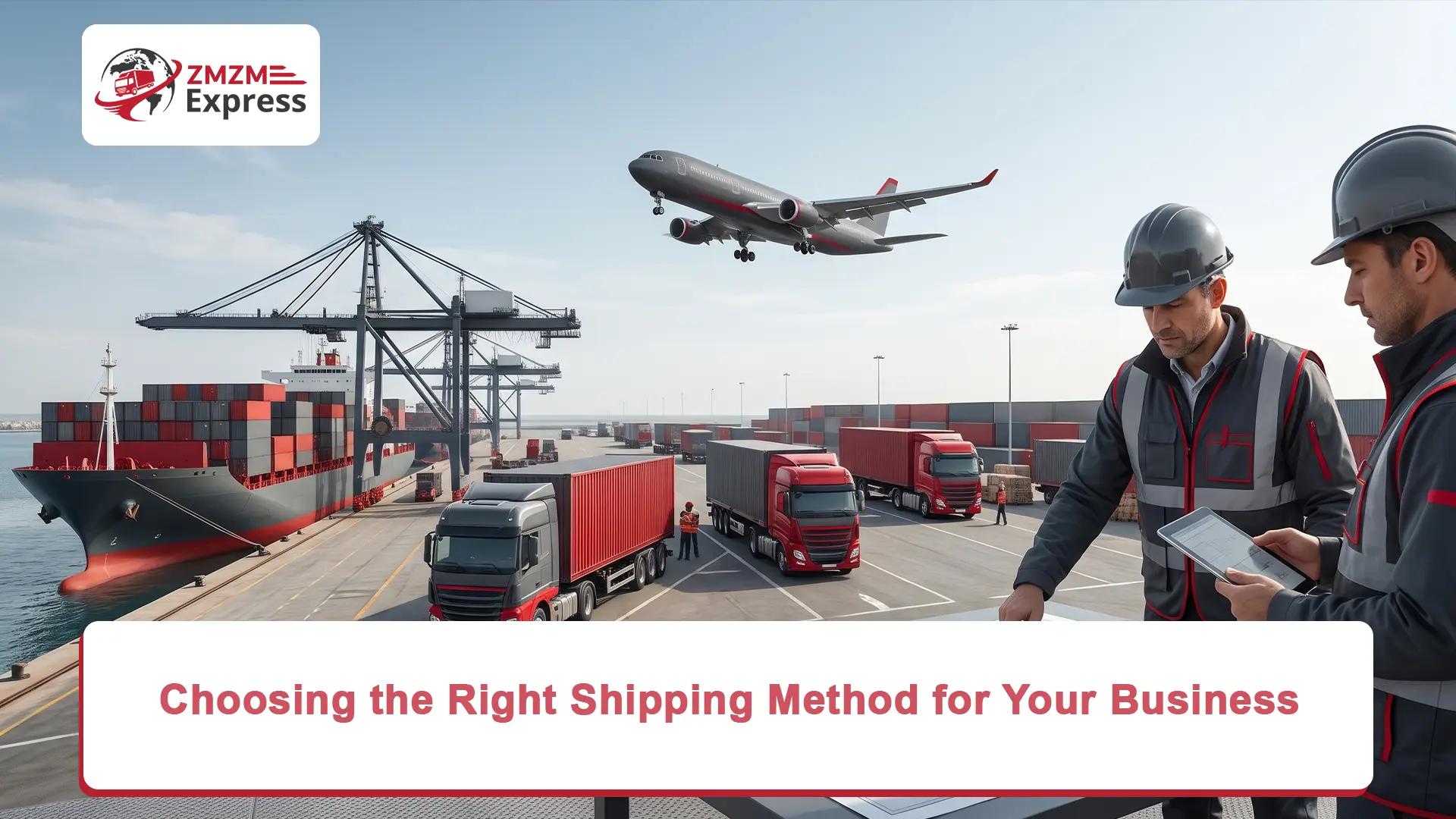
- Choose the mode: based on speed needed, budget and shipment size.
- Pack and label: packaging that withstands transport, and clear labels with the right details.
- Prepare documents: commercial invoice, packing list, bill of lading and others.
- Customs clearance and transport: complete the procedures and move the goods to their destination.
- Delivery and tracking: follow the shipment until receipt and confirm its condition.
What Businesses Need to Ship Successfully
Correct documents. Documentation errors are among the most common causes of delay. Review the list of documents required for international shipping before every shipment.
Suitable packaging. The stronger and more precise the packaging, the lower the chance of damage and claims.
Understanding the cost structure. Actual and volumetric weight, destination, mode and extra fees all affect the final price.
Watching storage fees. Late pickup or clearance can add unexpected charges, as explained in Extra Storage Fees at Ports and Airports and How to Avoid Them.
A reliable shipping partner. A company that manages procedures and follows the shipment saves you time and effort.
How to Choose a Commercial Shipping Company
When comparing shipping companies, look at:
- Clear pricing and what the fees include.
- A range of services (road, air, sea, storage).
- Experience with your type of cargo and destination.
- Support with customs procedures and documents.
- Shipment tracking and responsive communication.
- The company’s reputation and customer feedback.
For more, read: How to Choose an International Shipping Company for Your Business.
Common Challenges in Commercial Shipping and How to Handle Them
- Delays: Plan early and prepare documents before the shipping date.
- Damaged goods: Pack well and choose a mode that suits the cargo.
- Unexpected fees: Request a detailed quotation and understand what it covers.
- Customs holds: Classify goods correctly and make sure documents are complete.
Why Choose Zmzm Express for Your Business Shipments?
Zmzm Express operates from Dubai and offers businesses road, air and sea freight, plus storage warehouses, so your commercial shipment gets a solution that fits its size, budget and delivery deadline. You can browse our available shipping destinations and request a quote tailored to your needs.
To get in touch: WhatsApp +971584444970 or email info@zmzmexpress.com.
Commercial Shipping FAQs
It is the transport of goods intended for sale, manufacturing or distribution in business quantities by road, air or sea, along with related procedures such as documents and customs clearance.
Commercial shipping is for goods used in a business and requires more documents and customs procedures, while personal shipping is for luggage and individual items.
There is no single best mode. Air suits speed and high-value cargo, sea suits large volumes and lower cost, and road suits flexibility between markets connected by road.
Usually a commercial invoice, packing list and bill of lading, and sometimes a certificate of origin or other documents depending on the goods and destination.
It depends on actual or volumetric weight, mode of transport, destination, type of goods and any extra fees.
Conclusion
Commercial shipping is not just moving goods. It is a core element of business growth, operational stability and customer satisfaction. Choosing the right mode, preparing documents, packing well and working with a reliable shipping partner make the difference between a shipment that arrives on time and one that disrupts your business.
If your company is planning to ship goods, contact Zmzm Express and request a quote that fits your needs.