What Is Customs Clearance and What Does a Customs Broker Do?
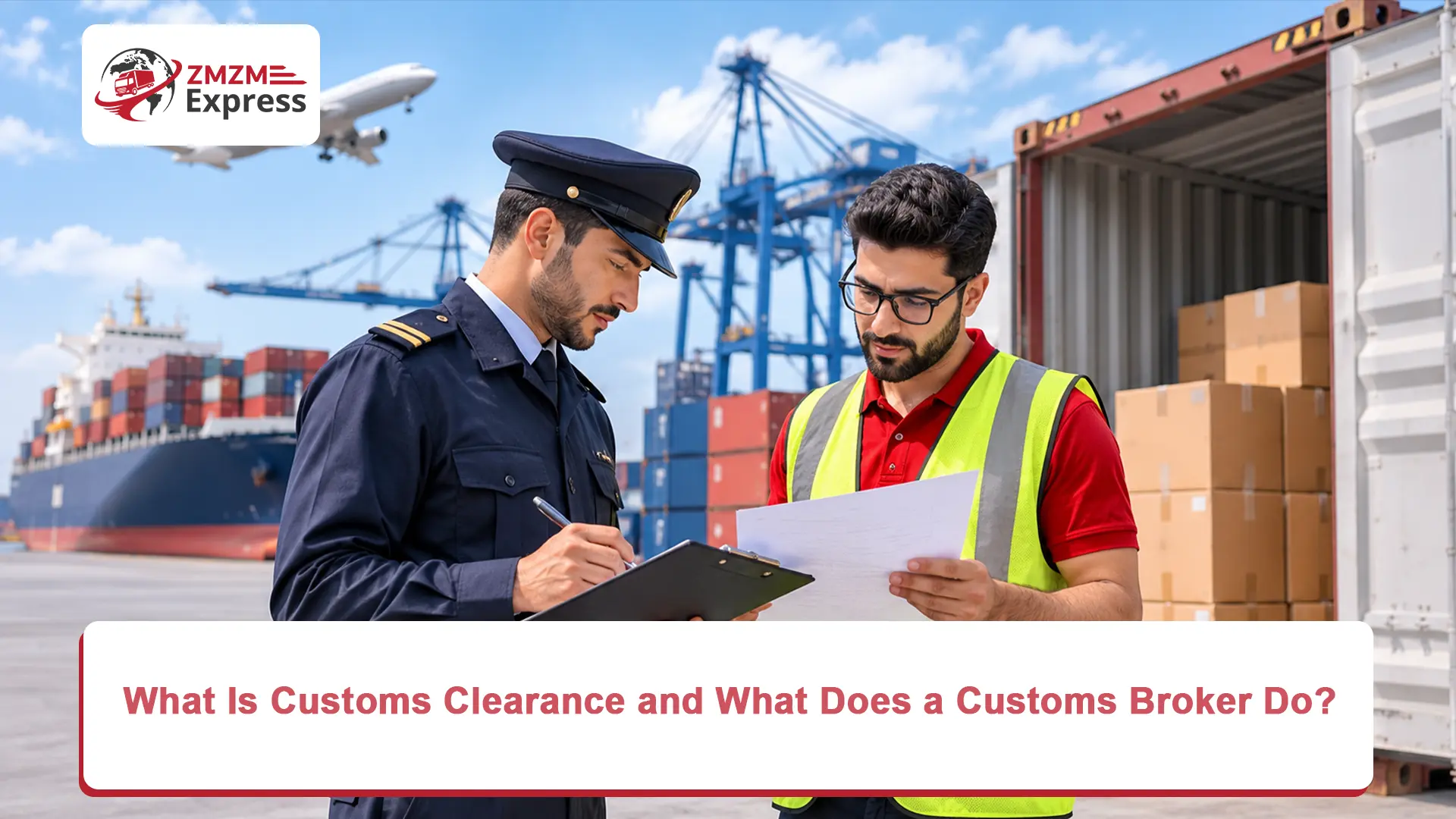
Customs clearance is the set of procedures completed with customs to allow goods to enter or leave a country. It includes submitting the customs declaration and documents, classifying and valuing the goods, paying the duties due, inspecting the shipment when required, and then releasing it. A customs broker is the person or company that handles these procedures on behalf of the importer or exporter.
No international commercial shipment reaches its destination without going through this stage, which is why it is one of the steps that most affects when your goods arrive and what they cost. This article explains customs clearance, its steps and documents, the role of a customs broker, and when your business needs one.
What Is Customs Clearance?
It is the official procedure in which you declare the goods being moved and show that they comply with the rules of the import or export country. It includes:
- Declaring the goods, their type, quantity and value.
- Classifying them for customs and determining the duties and taxes due.
- Checking the required documents and permits.
- Inspecting the shipment when needed.
- Releasing it so it can be delivered to its owner.
It applies to both imports and exports, and the details vary from one country to another according to its customs rules.
Are you looking for a reliable, hassle-free shipping solution?
Zmzm Express offers you the best regional and international shipping services, complete with comprehensive customs clearance to ensure your goods arrive safely and in record time.
Why Customs Clearance Matters in Commercial Shipping
- Regulatory compliance: It ensures your goods enter or leave in line with the law.
- Speed of arrival: Smooth clearance means avoiding delays that disrupt stock and deadlines.
- Cost control: Clearance mistakes can bring extra fees, penalties or extra storage fees at ports and airports.
- Supply chain continuity: Goods stuck at customs mean lost sales or halted production.
It is also one of the key differences between commercial and personal shipping, because commercial goods face more precise customs classification and duties.
Steps of Customs Clearance
- Arrival and registration: The shipment arrives at the port, airport or land border and its details are registered with customs.
- Customs declaration: The declaration is submitted with the required documents.
- Classification and valuation: The goods are classified under their customs code and valued to calculate duties.
- Payment of duties and taxes: Amounts due are paid according to the destination’s rules.
- Inspection: Documents alone may be checked, or the shipment may be physically inspected, depending on the goods and customs’ assessment.
- Release and delivery: After approval, customs releases the shipment and it is delivered to its owner.
Names, order and timing may differ between countries and entry points.
Documents Required for Customs Clearance
Most commercial shipments need:
- A commercial invoice showing the items, their value and the parties’ details.
- A packing list with the contents, weight and dimensions of each package.
- A transport document, either a bill of lading (sea) or an air waybill (air).
- A certificate of origin when requested or to claim customs reductions.
- Licences or approvals for certain types of goods.
You can review the full list in documents required for international shipping.
What Is a Customs Broker?
A customs broker is a person or company that clears goods through customs on behalf of the importer or exporter, and who knows the rules, procedures and documents required. In many systems the customs declaration is submitted through a licensed broker, and requirements differ from country to country.
The Role of a Customs Broker in Commercial Shipping
- Preparing and reviewing documents and making sure their data match.
- Classifying the goods and determining their customs code.
- Submitting and following up the customs declaration with customs.
- Calculating duties and taxes and explaining them to you.
- Coordinating with customs and relevant authorities when an inspection or query arises.
- Alerting you to permits and requirements for your goods before shipping.
- Reducing the risk of delay by fixing gaps early.
Does Your Business Need a Customs Broker?
It depends on the destination’s rules and your shipment, but a broker is especially useful when:
- You are shipping for the first time or to a new destination.
- The goods need permits or approvals.
- The shipment is high-value or its classification is complex.
- Your delivery deadline is tight and cannot absorb delays.
- Your team lacks experience with customs procedures.
Common Causes of Customs Delays and How to Avoid Them
- Document errors or mismatched data between the invoice, packing list and transport document. Review documents before shipping.
- Wrong customs classification, so confirm the right code.
- Unclear description of goods, so write a precise, specific description.
- Missing permits, so ask about them before shipping.
- Late payment of duties, which may be followed by storage fees.
- Incorrect declaration of value, so declare a value that matches the invoice.
How to Choose a Customs Broker
- They should be licensed under the rules of the clearance country.
- They should have experience with your type of goods.
- Clear fees and what the service includes.
- Fast communication and regular updates on your shipment.
- A good reputation and reliable customer feedback.
To compare shipping companies, read: How to Choose an International Shipping Company for Your Business.
How Can Zmzm Express Help?
Zmzm Express offers road, air and sea freight and storage warehouses from Dubai. Our team helps you prepare your shipment and its documents and coordinate customs clearance procedures according to the destination, so your goods arrive with as little delay as possible. Contact us on WhatsApp +971584444970 or at info@zmzmexpress.com.
Conclusion
Customs clearance is an essential stage in every international commercial shipment, and handling it well determines how fast your goods arrive and what they cost. A customs broker is a partner who saves you time and effort and reduces the risk of mistakes. Prepare your documents carefully, classify your goods correctly, and choose a partner who follows your shipment until release.
Contact Zmzm Express and request a quote that fits your shipment.