Why Do Shipping Costs Differ Even When the Weight Is the Same?

You may send two packages that weigh exactly the same, yet receive completely different shipping quotes. This is common in international shipping and does not necessarily mean that one company is overcharging. The reason is simple: shipping costs are not calculated by actual weight alone.
Shipping companies may consider package dimensions, volumetric weight, destination, transportation method, delivery speed, cargo type, and additional handling requirements. As a result, two shipments weighing 10 kg each can have very different shipping costs.
Understanding these factors can help individuals and businesses compare shipping quotes more accurately, avoid unexpected charges, and make better shipping decisions.
1. Volumetric Weight: One of the Main Reasons Shipping Prices Differ
One of the most important factors in international shipping is volumetric weight, also known as dimensional weight.
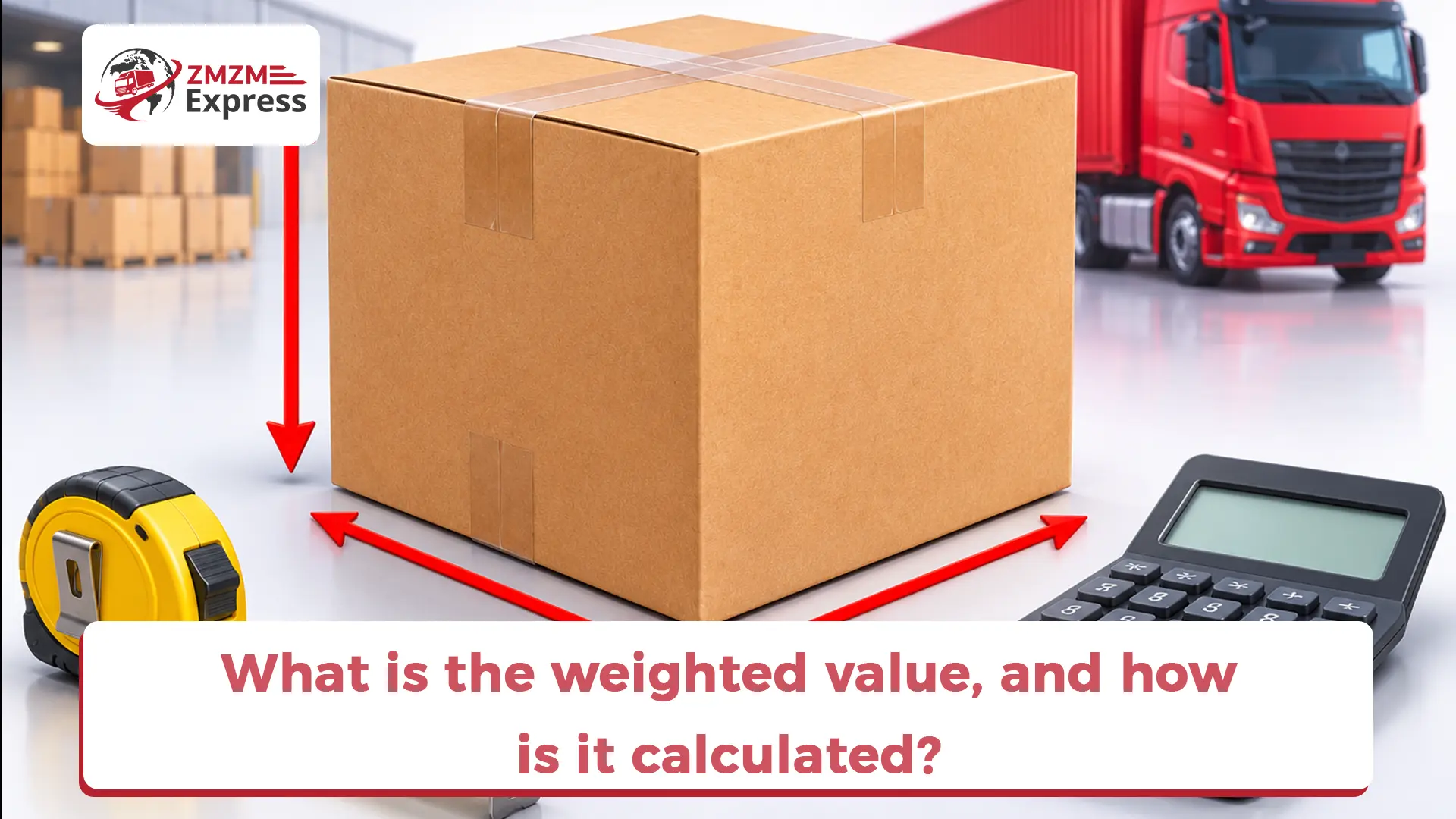
Unlike actual weight, which is measured using a scale, volumetric weight is calculated from a package’s dimensions. It represents the amount of space the shipment occupies during transportation.
This matters because a large, lightweight package may take up more space in an aircraft or delivery vehicle than a small, heavy package.
For example:
- Package A weighs 10 kg and measures 30 × 30 × 30 cm.
- Package B also weighs 10 kg but measures 60 × 50 × 40 cm.
Although both packages have the same actual weight, Package B occupies significantly more space. Its shipping cost may therefore be higher.
How Is Volumetric Weight Calculated?
Some express shipping services use a divisor such as 5,000 when dimensions are measured in centimetres. The formula is:
Volumetric Weight = Length × Width × Height ÷ 5,000
For example, a package measuring 60 × 50 × 40 cm would have a volumetric weight of:
60 × 50 × 40 ÷ 5,000 = 24 kg
If its actual weight is 10 kg, the carrier may use 24 kg to calculate the shipping charge.
Important: The divisor is not the same for every carrier or shipping service. It can vary depending on the company, transportation method, and service type. Always check the applicable calculation method before estimating your shipping cost.
Are you looking for a reliable, hassle-free shipping solution?
Zmzm Express offers you the best regional and international shipping services, complete with comprehensive customs clearance to ensure your goods arrive safely and in record time.
2. Chargeable Weight Is Not Always the Actual Weight
After calculating the actual and volumetric weights, the carrier determines which figure will be used to calculate the shipping rate. This is commonly called chargeable weight or billable weight.
For many express shipping services, the carrier compares the actual weight with the volumetric weight and uses whichever is higher.
Here is a simple example:
| Details | Package A | Package B |
|---|---|---|
| Actual weight | 10 kg | 10 kg |
| Volumetric weight | 8 kg | 24 kg |
| Chargeable weight | 10 kg | 24 kg |
Both packages weigh 10 kg on a scale, but Package B may be charged at 24 kg because its volumetric weight is higher.
For sea freight and some commercial cargo services, pricing may instead be based on cubic metres (CBM), weight, or other rules depending on the shipment type and service agreement.
3. Packaging Size and the Way Goods Are Packed
Two shipments may contain products with the same total weight but have different package dimensions.
For example, shipping 10 kg of compact metal parts in a small box is different from shipping 10 kg of pillows or clothing in a large carton.
Several packaging factors can affect shipping costs:
- The size of the box compared with the products inside.
- Additional protective materials.
- Unnecessary empty space inside the package.
- Packing products separately instead of arranging them efficiently.
- Wooden pallets or special crates used for commercial cargo.
Oversized packaging can increase volumetric weight and may lead to higher shipping charges. Choosing suitable packaging can help reduce costs without compromising the safety of the goods.
4. Shipping Destination and Distance
Even when two shipments have identical weights and dimensions, their prices may differ because they are travelling to different destinations.
A shipment going to a location with regular direct transport connections may cost less than one requiring transit through several hubs or additional delivery arrangements.
Shipping prices can be affected by:
- The distance between the origin and destination.
- Availability of direct flights or transport routes.
- Transit stops and changes in transportation.
- Delivery infrastructure at the destination.
- The location of the final delivery address.
Costs may also vary between cities within the same country, especially when the destination is far from distribution centres or requires special delivery arrangements.
5. Transportation Method and Delivery Speed
Different transportation methods have different operating costs, capacity limits, and delivery times. Therefore, two shipments with the same weight and dimensions may have different prices if they use different services.
Air freight: Suitable for shipments that need to arrive quickly. It is often more expensive than slower alternatives, and pricing may depend on chargeable weight and available cargo space.
Sea freight: Commonly used for commercial goods and larger shipments. It can be more economical for certain cargo volumes, although transit times are generally longer. Charges may include cargo volume, port handling, and other related services.
Road freight: Pricing depends on the route, distance, border crossings, vehicle type, and required services. Costs may also differ depending on whether the shipment uses a dedicated vehicle or shares transport space with other cargo.
Delivery speed also matters. Express services usually cost more than economy services because they offer different delivery priorities and transit times.
6. Type of Goods and Special Handling Requirements
Not all goods require the same transportation and handling conditions, even when they have identical weights.
Some products may require additional care or special arrangements, including:
- Fragile items that need protective packaging.
- Sensitive electronic devices and equipment.
- Products that require temperature-controlled transportation.
- Oversized or unusually shaped cargo.
- Goods subject to specific transportation restrictions.
These requirements may involve additional packaging, special handling, or suitable transportation equipment, all of which can affect the final shipping cost.
It is also important to confirm that the carrier accepts the goods before shipping, as certain products may be subject to restrictions or regulatory requirements in the destination country.
7. Additional Charges, Fuel Surcharges, and Delivery Fees
Two shipments may have similar basic transportation rates but different final costs because of additional charges.
Common examples include:
- Fuel surcharges: Additional charges that may change according to the carrier’s policy and market conditions.
- Remote area delivery fees: Charges that may apply when delivering outside the carrier’s regular service areas.
- Additional handling fees: These may apply to oversized, irregularly shaped, or specially handled packages.
- Storage fees: Charges that may apply when cargo remains in a warehouse beyond the permitted period.
- Optional service fees: Such as scheduled delivery or other special services, where available.
This is why you should not compare shipping companies based only on their initial quoted rates. Ask for a breakdown of included services and possible additional charges before confirming your shipment.
8. Customs Clearance and Import-Related Charges
Customs requirements vary depending on the type of goods, destination country, shipment value, and required documentation.
Some shipments may involve additional costs related to customs clearance, inspections, permits, or services provided by relevant authorities.
It is important to distinguish between the transportation charge and customs duties, taxes, and clearance fees. These costs are not necessarily included in the basic shipping rate.
Before sending your goods, ask the shipping company who is responsible for these charges and whether customs clearance is included in the quotation.
How Can You Reduce Shipping Costs Without Compromising Cargo Safety?
There are several practical ways to manage shipping costs, particularly if you ship regularly or operate a business.
- Choose the right packaging size: Use a box that fits your products without unnecessary empty space.
- Check volumetric weight: Do not estimate shipping costs using the scale weight alone.
- Consolidate shipments when possible: Combining packages may help reduce certain transportation and handling costs, depending on the service.
- Choose the right shipping method: Express delivery is not necessary for every shipment. Compare delivery time with the cost.
- Request a detailed quotation: Make sure you understand the basic rate and possible additional fees.
- Provide accurate measurements: Incorrect dimensions or weight may result in price adjustments after the carrier measures the package.
What Information Do You Need for an Accurate Shipping Quote?
To receive a more accurate shipping quotation, prepare the following details:
- Origin country and city.
- Destination country and city.
- Actual shipment weight.
- Length, width, and height of each package.
- Type and description of the goods.
- Number of packages.
- Preferred transportation method or expected delivery time.
- Any additional requirements, such as packaging, insurance, or customs clearance.
The more accurate the information, the easier it is for a shipping company to estimate the final cost and reduce unexpected differences between the initial quote and the final invoice.
Conclusion: The Same Weight Does Not Mean the Same Shipping Cost
Shipping prices can differ even when packages have the same actual weight because carriers consider several other factors, including package dimensions, volumetric weight, destination, transportation method, delivery speed, cargo type, and additional fees.
The best way to compare shipping quotations is to provide each company with the same shipment details and compare the chargeable weight, total cost, and included services. Looking at the price per kilogram alone may not give you an accurate picture of the final cost.
If you need shipping solutions for personal or business shipments, contact Zmzm Express to learn more about available services and request information based on your cargo type and destination.
Frequently Asked Questions
Because shipping prices may depend on volumetric weight, package dimensions, destination, transportation method, delivery speed, cargo type, and additional charges, not just actual weight.
Actual weight is the physical weight measured on a scale. Volumetric weight is calculated using package dimensions and represents the space the shipment occupies during transportation.
Many express shipping services compare actual weight with volumetric weight and use the higher figure as the chargeable weight. However, you should always check the carrier’s rules for the specific service.
Yes. Using a box that is larger than necessary may increase volumetric weight and shipping costs, even when the actual weight remains unchanged.
Yes. Each transportation method has different operating costs, pricing rules, and delivery times. Some services may calculate charges based on weight, volume, or both.
Provide accurate package dimensions and weight, ask about chargeable weight, and request a quotation that clearly explains fuel, handling, delivery, customs clearance, and other additional charges.