
Commercial vs Personal Shipping: What Is the Difference?
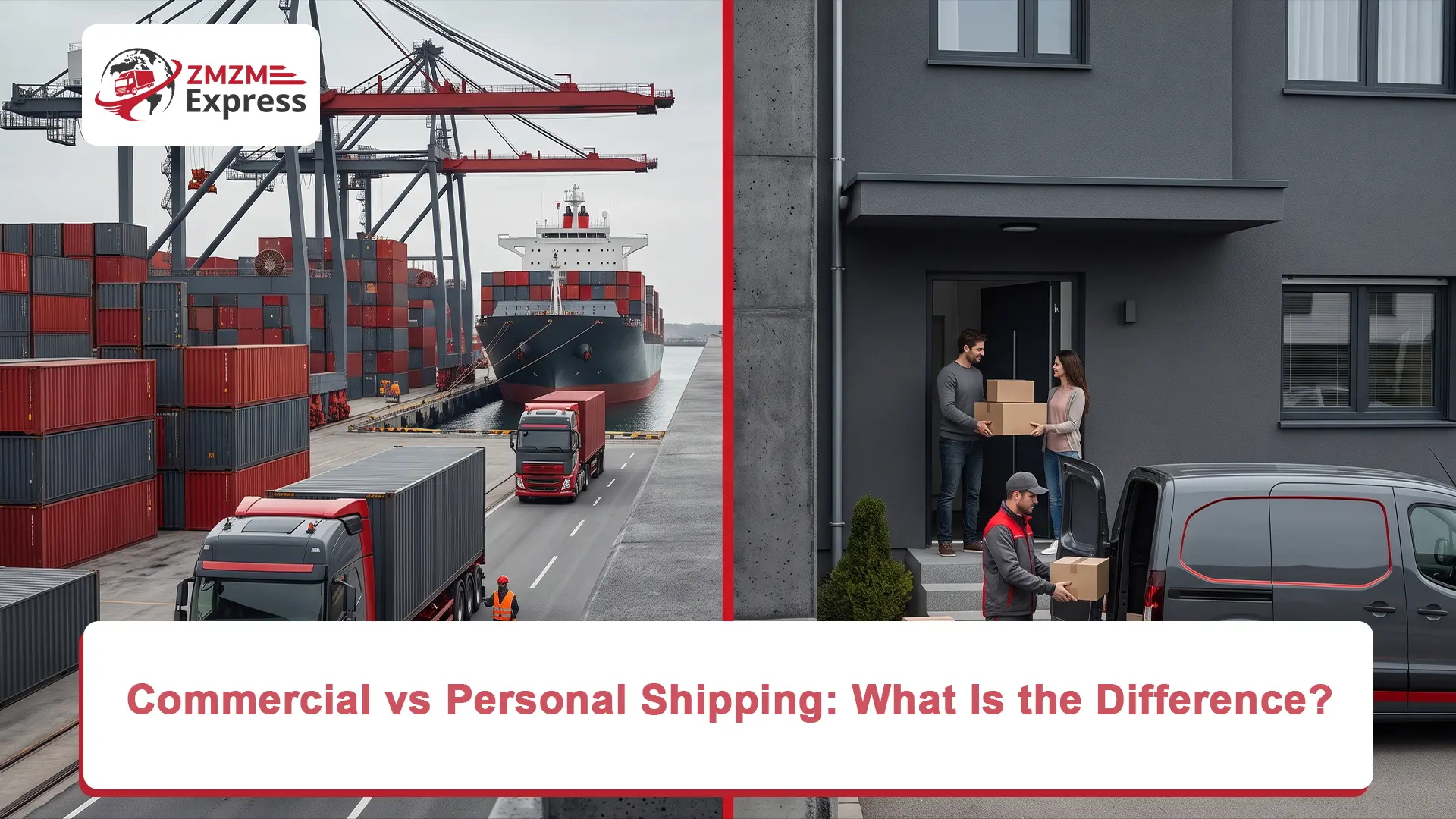
The difference between commercial and personal shipping comes down to the purpose and quantity of the shipment. Personal shipping is for individual items such as luggage, gifts and household goods, while commercial shipping is for goods that are sold, manufactured or distributed as part of a business, so it needs commercial documents, customs procedures and more precise pricing.
It sounds simple, but mixing the two up is one of the most common causes of delayed shipments and unexpected costs, especially for small businesses and online stores that start with small shipments. This article explains the differences in detail, helps you work out which type your shipment is, and shows what can happen when it is classified wrongly.
Quick Summary of the Differences
| Aspect | Commercial shipping | Personal shipping |
|---|---|---|
| Purpose | Sale, manufacturing or distribution | Individual or family use |
| Quantity | Business quantities, often recurring | Limited items, usually one-off |
| Documents | Commercial invoice, packing list, bill of lading; a certificate of origin may be required | Usually a contents list and sender/receiver details |
| Customs | Classification and duties based on the goods | Often simpler procedures |
| Pricing | By actual or volumetric weight, or by pallets and containers | By weight, volume or per item |
| Packaging | Packaging that protects goods and suits commercial handling | Standard packing that suits the items |
| Storage and distribution | May be needed within the supply chain | Rarely needed |
Detailed rules vary by country, so treat this table as a general guide and check the requirements of the destination.
Are you looking for a reliable, hassle-free shipping solution?
Zmzm Express offers you the best regional and international shipping services, complete with comprehensive customs clearance to ensure your goods arrive safely and in record time.
What Is Personal Shipping?
Personal shipping is the transport of items not intended for sale or business use. Examples include:
- Travel luggage and bags.
- Household goods and furniture when moving home. See how to calculate furniture volume for shipping.
- Gifts and individual parcels between family and friends.
- Personal belongings such as clothes, books and used devices.
Read more in our article on shipping personal luggage.
What Is Commercial Shipping?
Commercial shipping is the transport of goods meant for a business activity, such as raw materials, spare parts, equipment, finished products, retail goods and bulk e-commerce orders, by road, air or sea, together with the documents, customs clearance and storage involved. For the full picture, read our guide: What Is Commercial Shipping and Why Does It Matter for Businesses?
The Differences in Detail
Purpose and Quantity
The first question that decides the type of shipment is: why is this cargo being shipped? If it is for sale, or for use in a factory, project or business, it is commercial regardless of its size. If it is for individual use, it is personal. The larger the quantity and the more often you ship, the more likely it is to be treated as commercial.
Required Documents
Commercial shipments usually need:
- A commercial invoice showing the items, their value and the seller’s and buyer’s details.
- A packing list detailing the contents, weight and dimensions of each package.
- A transport document, either a bill of lading (sea) or an air waybill (air).
- A certificate of origin and other papers depending on the goods and destination.
Personal shipments often need only a contents list and sender and receiver details, and proof of identity may be requested. Review the documents required for international shipping before every shipment.
Customs Procedures and Duties
Commercial goods are classified for customs by their type and are subject to duties and procedures that may differ from personal shipments. This classification does not depend on the sender’s preference. It depends on the nature of the goods, their purpose and the destination’s rules.
Pricing and How It Is Calculated
Commercial shipments are priced by actual or volumetric weight, whichever is greater, or by the number of pallets or containers in larger shipments. To understand this, read our articles on volumetric weight and how it is calculated and why shipping costs differ for the same weight.
Packaging and Preparation
Commercial goods need tighter packaging that protects them through transport and handling, and they are often placed on pallets and labelled with clear details. Personal items can usually go in standard packing as long as it prevents damage.
Storage and Distribution
Many businesses need to store goods before distributing them or after they arrive, which is where storage warehouses matter. Also watch out for extra storage fees at ports and airports that can result from late pickup or clearance.
Liability and Insurance
Commercial goods are usually higher in value and have a bigger effect on the business, so they call for more careful planning and suitable coverage. A damaged commercial shipment can mean a lost customer or a stopped production line, which is a bigger loss than damaged personal items.
How Do You Know If Your Shipment Is Commercial or Personal?
Ask yourself:
- Is the cargo intended for sale or resale?
- Will it be used in a factory, project or business activity?
- Is the quantity large, or does it recur regularly?
- Do you have a supplier invoice or purchase order for it?
If you answer “yes” to one or more, your shipment is most likely commercial. Because classification follows the destination’s rules, it is best to confirm with your shipping company before you prepare the cargo.
What Happens If a Shipment Is Classified Wrongly?
A wrong declaration of the shipment type can lead to:
- Delays or customs holds until documents are completed.
- Duties or penalties, depending on the destination’s regulations.
- Problems at delivery because the documents do not match the contents.
If you have both personal items and commercial goods, it is better to separate them into two shipments, each with its own documents.
Tips for Small Businesses and Online Sellers
- Start with the right documents even for small shipments. A commercial invoice and packing list protect you from later problems.
- Ask about samples. Product samples may be treated differently by customs, and rules vary by country.
- Plan for repeat shipping. If you ship regularly, work with a company that offers options that grow with your business.
- Compare quotations carefully and check which fees each one includes.
How Can Zmzm Express Help?
Zmzm Express operates from Dubai and offers road, air and sea freight and storage warehouses. If you are not sure of your shipment type or the best mode for it, our team can help you identify the right service and give you a clear quotation. Contact us on WhatsApp +971584444970 or at info@zmzmexpress.com.
FAQs
Commercial shipping is for goods sold or used in a business and needs more documents and customs procedures, while personal shipping is for luggage and individual items.
It is not recommended. The declaration must match the nature of the goods, otherwise the shipment may be delayed or held, or fees and penalties may apply.
Not necessarily. Cost depends on weight, volume, destination and mode, and the price per unit often falls for larger quantities, but fees such as clearance and storage may apply.
Yes, a commercial invoice is usually required for commercial shipments, along with a packing list and a transport document.
It depends on the destination’s rules, the value of the samples and their purpose, so ask your shipping company before you prepare them.
Conclusion
Purpose and quantity decide whether a shipment is commercial or personal, and the differences in documents, customs, pricing and liability follow from them. Classifying your shipment correctly from the start saves you delays and unexpected fees.
If your shipment is commercial, or you are unsure how to classify it, contact Zmzm Express and request a quote that fits your needs.