
What Is Refrigerated Shipping and What Is It Used For?
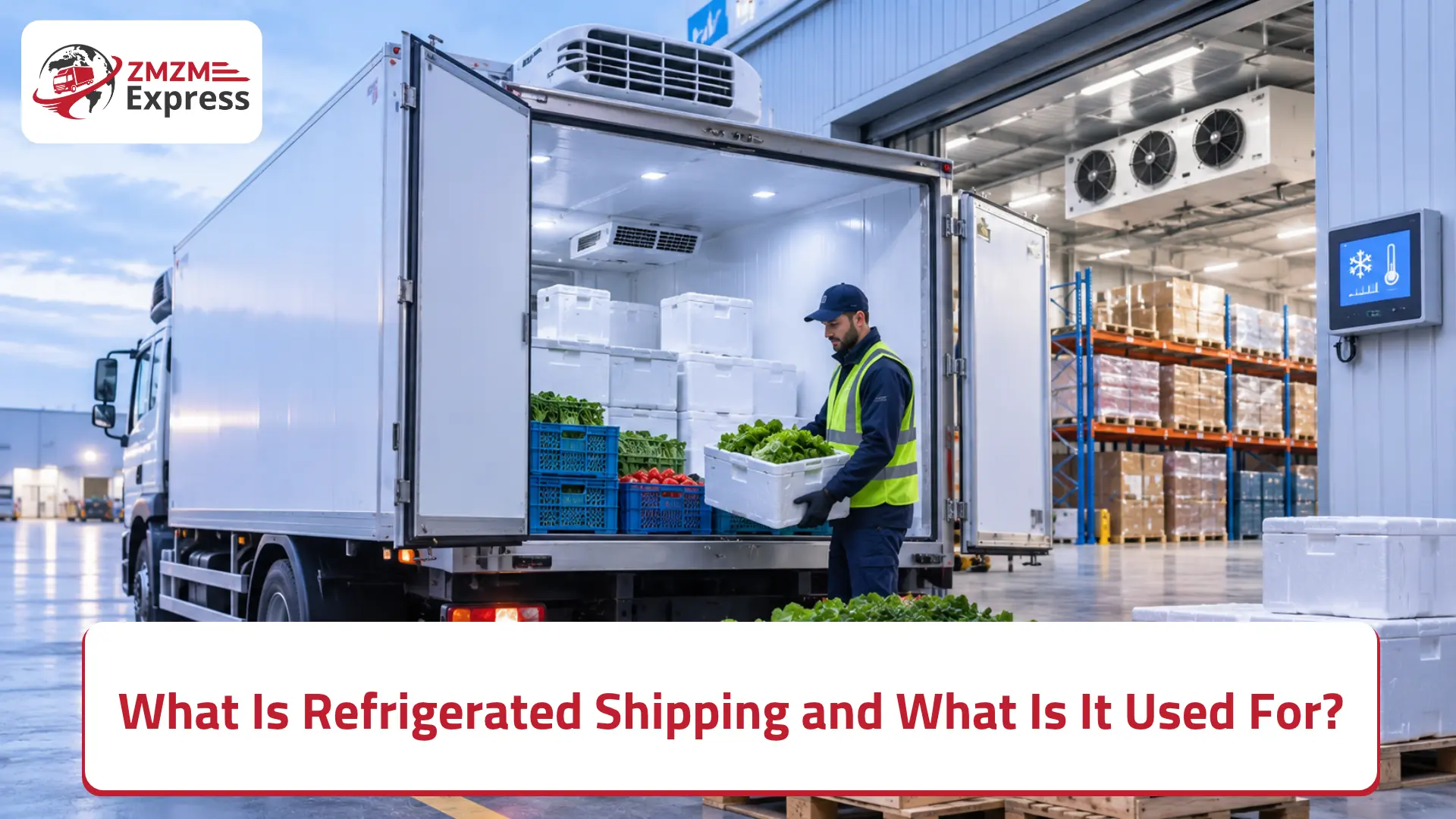
Some products need more than a transportation service to move them from one location to another. They require specific temperature conditions throughout the journey to arrive in suitable condition for use, storage, or sale. This is where refrigerated shipping becomes essential.
Refrigerated transport plays an important role in industries that handle fresh food, pharmaceuticals, flowers, and other temperature-sensitive products. Exposure to unsuitable temperatures can damage goods, reduce their quality, affect product effectiveness, or shorten their shelf life.
To protect these products, refrigerated shipping uses specially equipped vehicles, containers, and packaging systems, together with appropriate handling procedures and temperature monitoring.
In this guide, we explain what refrigerated shipping means, how it differs from frozen transport, its main applications, the transportation methods involved, and what to consider when choosing a refrigerated shipping company.
What Is Refrigerated Shipping?
Refrigerated shipping is the transportation of goods using specially designed vehicles, containers, or packaging systems that maintain a controlled temperature range suitable for the products being transported.
The required temperature varies depending on the type of cargo. Some products need to remain chilled without freezing, while others require frozen conditions or a different controlled temperature range.
Refrigerated shipping involves more than simply switching on a cooling unit inside a truck or container. It includes several stages:
- Identifying the correct temperature requirements.
- Preparing the transportation equipment.
- Packaging and loading the products correctly.
- Monitoring temperature conditions during transit.
- Handling and delivering the shipment appropriately.
This process is particularly important for supply chains involving products that can deteriorate when exposed to unsuitable temperatures.
Are you looking for a reliable, hassle-free shipping solution?
Zmzm Express offers you the best regional and international shipping services, complete with comprehensive customs clearance to ensure your goods arrive safely and in record time.
What Is the Difference Between Refrigerated and Frozen Shipping?
The terms refrigerated and frozen shipping are sometimes used interchangeably, but they refer to different temperature requirements.
Refrigerated shipping: Used for products that need to remain chilled within a specified temperature range without necessarily becoming frozen. Examples include many dairy products, fresh vegetables, fruits, and certain medicines.
Frozen shipping: Used for products that must remain frozen throughout transportation. Examples include frozen meat, seafood, and some prepared food products.
There is no single temperature that works for every product. The correct range depends on the cargo type, manufacturer instructions, and applicable regulatory requirements.
It is also important to understand that colder is not always better. Some products can be damaged if exposed to freezing temperatures, even when they require refrigeration.
What Are the Main Uses of Refrigerated Shipping?
Refrigerated shipping is used across several industries, particularly those that depend on transporting products sensitive to temperature changes.
1. Fresh Food Transportation
The food industry is one of the main users of refrigerated transport. Many food products require suitable temperature conditions during distribution to help maintain their quality.
Examples include:
- Fresh fruits and vegetables.
- Milk and dairy products.
- Fresh meat and poultry.
- Fish and seafood.
- Juices and selected ready-to-eat food products.
- Certain baked goods and temperature-sensitive foods.
Temperature control can help reduce spoilage and quality loss, but it does not replace proper hygiene, suitable packaging, and careful handling.
2. Pharmaceuticals and Medical Products
Some medicines, vaccines, and medical products require specific storage and transportation conditions to maintain their quality and effectiveness.
Depending on the product, these requirements may include refrigeration, frozen storage, or other controlled temperature ranges specified by the manufacturer.
Their transportation may require a properly managed cold chain, suitable packaging, temperature monitoring devices, and records showing the conditions maintained during transit when required.
The World Health Organization highlights the importance of suitable transportation systems and temperature monitoring for time- and temperature-sensitive pharmaceutical products.
3. Flowers and Plants
Certain flowers and plants are sensitive to high temperatures. Poor handling during transportation can cause wilting, reduced freshness, and damage.
Refrigerated transport may be used for:
- Fresh-cut flowers.
- Sensitive plants and seedlings.
- Selected agricultural products that require controlled storage conditions.
The appropriate transportation conditions depend on the plant type and journey duration. Flowers do not necessarily have the same temperature requirements as food or pharmaceutical products.
4. Cosmetics and Temperature-Sensitive Products
Some cosmetics and personal care products may be affected by high temperatures, particularly those containing sensitive ingredients or requiring specific storage conditions.
Certain chemicals and industrial products may also need controlled temperature conditions based on their technical specifications.
However, not every cosmetic or industrial product requires refrigerated shipping. Always check the manufacturer’s storage and transportation instructions before selecting this service.
How Does Refrigerated Shipping Work?
Successful refrigerated shipping depends on several important elements. Having a truck with a cooling unit alone is not enough.
Step 1: Determine the Required Temperature
Before preparing a shipment, the required temperature range must be identified, along with the expected transit duration and any special storage or handling instructions.
This information should preferably come from the product manufacturer or the responsible supplier rather than being based on an estimate.
Step 2: Prepare the Transportation Equipment
Refrigerated shipping uses insulated vehicles or containers equipped with cooling units or temperature-control systems.
Some equipment also includes temperature sensors and data loggers that record conditions during transportation.
Step 3: Prepare and Package the Products
Goods should be packed using materials suitable for their type and transportation requirements.
Packages must also be arranged properly to allow cold air to circulate where necessary. Incorrect loading may block airflow, damage packages, or increase the risk of contamination.
Step 4: Monitor Temperature During Transit
Temperature monitoring is one of the most important parts of refrigerated shipping.
Monitoring devices and data loggers can help determine whether the shipment remained within its specified temperature range.
For sensitive cargo, checking the temperature only at the beginning and end of the journey may not be sufficient. A record of temperature changes throughout transportation may be necessary.
Step 5: Deliver and Check the Shipment
When the cargo arrives, it should be handled promptly and according to its requirements. The condition of the products and transportation records should be checked where appropriate.
What Transportation Methods Are Used for Refrigerated Shipping?
Temperature-sensitive products can be transported using different methods. The right option depends on shipment size, destination, delivery time, and cargo requirements.
Refrigerated Trucks
Refrigerated trucks are used to transport goods within cities, between regions, and between countries connected by road networks.
They have insulated cargo compartments and cooling units designed to maintain the required temperature.
They are commonly used to distribute food, medicines, and fresh products to supermarkets, warehouses, and medical facilities.
Refrigerated Shipping Containers
Known as reefer containers, these are specialized shipping containers equipped with temperature-control systems.
They are commonly used for international sea freight, particularly when transporting large quantities of goods.
Reefer containers can be suitable for food, agricultural products, and certain pharmaceutical or industrial products, depending on their transportation requirements.
Temperature-Controlled Air Freight
Air freight may be used when delivery speed or product sensitivity makes a shorter transit time important.
Depending on the airline, airport facilities, and service type, temperature-sensitive cargo may be transported using specialized containers, insulated packaging, or temperature-controlled handling arrangements.
This method is used for certain medicines, medical products, perishable foods, and shipments requiring shorter transit times.
Insulated Packaging and Passive Cooling Systems
Some shipments can use insulated boxes and cooling materials or other passive temperature-control packaging to maintain a specified temperature range for a limited period.
These solutions may be suitable for smaller shipments or certain medical products. However, the packaging system should be appropriate for the expected journey duration and transportation conditions.
What Are the Main Challenges of Refrigerated Shipping?
Although refrigerated shipping is essential for many industries, it requires careful planning and monitoring to avoid problems that could affect product quality.
1. Cooling system failure
A malfunctioning refrigeration unit or interruption to its power supply can cause temperature changes inside the cargo compartment. Regular maintenance and equipment checks before loading are therefore important.
2. Transportation delays
Delays at border crossings, ports, or airports can extend transit times. This makes route planning and shipment monitoring especially important.
3. Incorrect packaging and loading
Poorly arranged cargo or unsuitable packaging can affect cooling efficiency and airflow. It may also increase the risk of damage or contamination.
4. Lack of temperature monitoring
Without reliable monitoring devices or records, it may be difficult to determine whether products were exposed to unsuitable conditions during transportation.
5. Different product requirements
Different products may need different temperature ranges, packaging methods, and handling procedures. Goods with incompatible requirements should not be transported together unless the carrier can safely manage their individual conditions.
How to Choose the Right Refrigerated Shipping Company
Choosing the right carrier is essential, especially when transporting food, pharmaceuticals, or other products that can be affected by temperature changes.
Before making a decision, consider the following:
- Suitable equipment: Check whether the company has refrigerated trucks, containers, or packaging systems appropriate for your cargo.
- Temperature control capabilities: Ask which temperature ranges the company can maintain and whether they match your product requirements.
- Temperature monitoring: Check whether monitoring devices are available and whether temperature records can be provided when needed.
- Cleanliness and maintenance: Confirm that the company follows appropriate procedures for cleaning, preparing, and maintaining its vehicles and containers.
- Experience with your cargo type: Food, pharmaceuticals, flowers, and industrial products may require different handling procedures.
- Emergency procedures: Ask how the company handles equipment failures, delays, or temperature deviations.
- Service coverage: Make sure the company can serve your destination and provide transportation arrangements suitable for the shipment.
Do not simply ask whether the company offers refrigeration. Find out how it maintains and monitors temperature conditions throughout the journey.
What Information Should You Prepare Before Requesting a Refrigerated Shipping Quote?
To receive an accurate quotation and identify the right transportation solution, prepare the following information:
- Product type and description.
- Required temperature range based on product instructions.
- Shipment weight, dimensions, and number of packages.
- Origin and destination countries and cities.
- Preferred shipping date and expected delivery time.
- Special packaging or handling requirements.
- Any documents or permits required for the cargo and destination.
Providing accurate information helps the shipping company select suitable equipment and transportation methods while preparing a more reliable quotation.
Conclusion
Refrigerated shipping is a specialized transportation service designed to keep temperature-sensitive products within specified conditions throughout their journey. It is particularly important for fresh food, pharmaceuticals, medical products, flowers, and certain industrial and cosmetic goods.
However, successful refrigerated transportation depends on more than cooling equipment. It requires the correct temperature settings, suitable vehicles or containers, proper packaging, continuous monitoring, and clear procedures for dealing with delays or equipment failures.
If your business depends on transporting temperature-sensitive products, choose a shipping company that understands your cargo requirements and can explain its transportation equipment and temperature-control procedures before the shipment begins.
FAQ
Refrigerated shipping is the transportation of goods using vehicles, containers, or packaging systems designed to maintain a specific temperature range suitable for the products.
Refrigerated shipping keeps products within a chilled temperature range without necessarily freezing them. Frozen shipping keeps products frozen throughout transportation.
Products that may require refrigerated transport include fresh food, dairy products, meat, seafood, medicines, vaccines, flowers, and other temperature-sensitive goods.
It depends on the medicine and its manufacturer’s transportation requirements. Some products require qualified equipment and documented temperature monitoring. Having a cooling unit alone may not be sufficient.
Yes. Refrigerated trucks, reefer containers, and temperature-controlled air freight services can be used for international shipments, depending on the cargo, destination, and transportation requirements.
Ask whether the carrier uses temperature monitoring devices or data loggers and whether it can provide a temperature record for the journey. This is particularly important for sensitive products that require documented transportation conditions.